
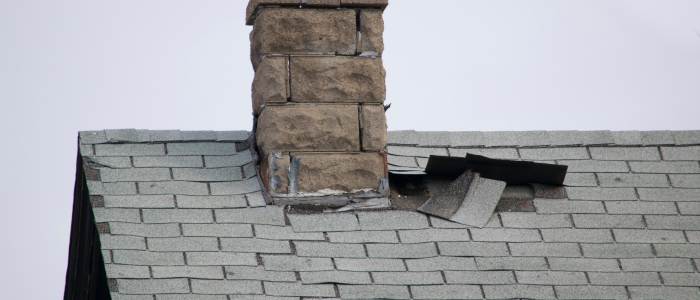
Here’s the question I get asked more than almost any other: “How long does a roof last?” And here’s the answer most people don’t want to hear — it depends. Not on luck. Not on the brand stamped on the shingle packaging. It depends on the material you chose, how well it was installed, what climate you live in, and whether you’ve done even the most basic maintenance over the years.
I’ve walked properties where a 15-year-old asphalt roof was completely shot — granules gone, shingles curling, decking soft from years of silent leaks. And I’ve inspected slate roofs pushing 90 years that had another generation of life in them with minor repairs. The number on the warranty doesn’t tell the whole story. How you treat your roof determines how long your roof treats you.
This guide gives you the real numbers, material by material — plus the specific factors that shorten lifespan and exactly what you can do to squeeze every last year out of the roof over your head.
Roof Lifespan by Material Type
Every roofing material has a different lifespan ceiling — and a very different floor. Here’s what you can realistically expect from each, based on proper installation and average maintenance.
3-Tab Asphalt Shingles
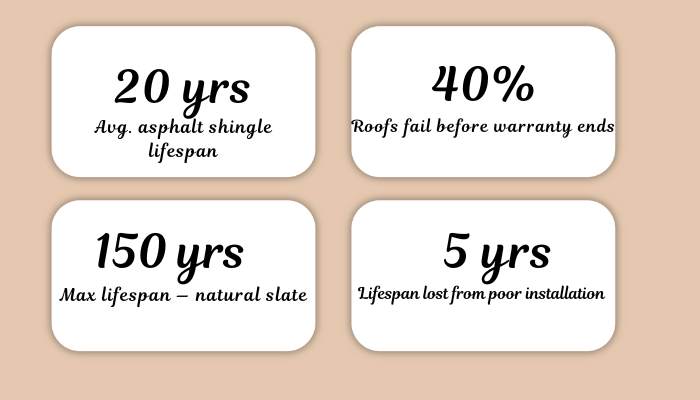
15–20 yrs
The entry-level option. Thin, flat, affordable — and the shortest lifespan of any shingle type. These are being phased out by most quality roofers in favor of architectural shingles. If your home has 3-tab shingles and they’re over 15 years old, start budgeting for replacement now.
Architectural (Dimensional) Shingles
25–30 yrs
The sweet spot for most homeowners. Thicker, more durable, and better-looking than 3-tab. With proper installation and maintenance, quality architectural shingles from brands like GAF or Owens Corning can push 30 years comfortably. This is what I recommend for most residential roofs.
Impact-Resistant Shingles
25–30 yrs
Essentially architectural shingles with a Class 4 impact rating — built to withstand hail and high winds. Same lifespan as standard architectural, but they hold up far better in storm-prone regions and often qualify for insurance discounts. See our shingle investment guide for full details.
Wood Shake / Cedar Shingles
25–35 yrs
Beautiful and natural, but maintenance-demanding. Wood shakes require periodic cleaning, treatment against moss and rot, and more frequent inspections than asphalt. Neglect cuts lifespan significantly. In humid climates, 25 years is more realistic. In dry climates with good maintenance, 35 is achievable.
Composite / Synthetic Shingles
40–50 yrs
Engineered to mimic slate or wood shake without the weight or maintenance demands. These are one of the fastest-growing roofing categories — and for good reason. Excellent lifespan, Class 4 impact rating on many models, and minimal upkeep. Worth serious consideration at your next replacement.
Metal Roofing (Steel / Aluminum)
40–70 yrs
One of the best long-term investments in roofing. Fire-resistant, energy-efficient, and virtually maintenance-free. Standing seam metal roofs can hit 70 years with zero issues. The higher upfront cost is offset by the fact that many homeowners never re-roof again after going metal.
Clay & Concrete Tile
50–100 yrs
Tile roofs are generational investments. Clay tile especially — some installations in the American Southwest and Mediterranean-climate homes are pushing 80–100 years in excellent condition. The caveat: the tiles may outlast the underlayment beneath them, which typically needs replacement every 20–30 years.
Natural Slate
75–150 yrs
The undisputed champion of roof longevity. Natural slate is a genuine once-in-a-lifetime (or several lifetimes) investment. I’ve inspected slate roofs on century-old homes that need nothing more than a handful of replacement tiles. The structural requirements and cost are substantial — but for the right home, nothing comes close.
Roofing Material Lifespan — At a Glance
| Material | Lifespan | Avg. Cost / Sq. Ft. | Maintenance | Best Climate | Value Rating |
|---|---|---|---|---|---|
| 3-Tab Asphalt | 15–20 yrs | $1.50–$2.50 | Low | All climates | ⭐⭐ |
| Architectural Asphalt | 25–30 yrs | $2.50–$4.00 | Low | All climates | ⭐⭐⭐⭐ |
| Impact-Resistant | 25–30 yrs | $3.50–$5.50 | Low | Storm-prone | ⭐⭐⭐⭐⭐ |
| Wood Shake | 25–35 yrs | $4.00–$7.00 | High | Dry climates | ⭐⭐⭐ |
| Composite / Synthetic | 40–50 yrs | $5.00–$10.00 | Low | All climates | ⭐⭐⭐⭐⭐ |
| Metal | 40–70 yrs | $6.00–$14.00 | Very Low | All climates | ⭐⭐⭐⭐⭐ |
| Clay / Concrete Tile | 50–100 yrs | $8.00–$18.00 | Medium | Warm/dry | ⭐⭐⭐⭐ |
| Natural Slate | 75–150 yrs | $15.00–$30.00 | Medium | All climates | ⭐⭐⭐⭐⭐ |
The warranty on the box tells you the ceiling. How the roof was installed — and how it’s been maintained — tells you where it will actually land.— Mike Callahan, Licensed Master Roofer
Factors That Shorten Your Roof’s Life
A 30-year shingle doesn’t automatically last 30 years. These are the factors I see most often that send roofs to early retirement — most of them preventable.
Poor Installation Quality
This is the single biggest lifespan killer I see on the job. Incorrect nail placement, skipped underlayment, improperly sealed flashing, insufficient ventilation design — any one of these can cut 5–10 years off a roof that’s rated for 25–30. A cheap installation is the most expensive roofing decision you’ll ever make. Always verify your contractor is licensed, insured, and manufacturer-certified.
Inadequate Attic Ventilation
A poorly ventilated attic traps heat and moisture against the underside of your roof deck, baking your shingles from below in summer and creating ice dam conditions in winter. Studies consistently show that roofs over poorly ventilated attics fail 30–40% sooner than properly ventilated ones. Read our attic ventilation guide to understand what proper ventilation looks like.
Climate & Weather Extremes
UV exposure, freeze-thaw cycles, hail, heavy snow loads, and high winds all wear on roofing materials at different rates. A shingle rated for 30 years in a mild Pacific Northwest climate may last only 20 in a Texas hailbelt or a Florida coastal zone with hurricane-force winds. Climate context matters enormously when evaluating real-world lifespan.
Ignored Maintenance & Minor Repairs
A $200 flashing repair left undone becomes a $3,000 decking replacement. A handful of missing shingles ignored through a wet winter becomes water-damaged insulation and mold remediation. Minor roof issues compound silently and fast. See our full guide on signs of roof damage to know what to catch early.
Moss, Algae & Debris Buildup
Moss traps moisture and physically breaks down shingle granules with its root system. Algae accelerates UV degradation. Leaves and debris pile up in valleys and gutters, holding water against the roof surface. Any of these, left unchecked for multiple seasons, meaningfully shortens shingle life. Read our full guide on how to remove moss from your roof for the correct removal method.
Layering Over Old Shingles
Code allows one re-roof over an existing layer, but I rarely recommend it. The old shingles create an uneven surface that stresses the new ones, you can’t inspect the decking condition underneath, and the added weight strains the structure. New shingles installed over a failing base consistently underperform their rated lifespan.
Make It Last
How to Extend Your Roof’s Lifespan
The good news: most of the factors that shorten a roof’s life are within your control. Here’s what I tell every homeowner who wants to get maximum life from their roof.
Roof Longevity Checklist
- Professional inspection every 3–5 years — and always after major storms. Catching problems early is the single highest-ROI maintenance activity for any roof.
- Keep gutters clean — spring and fall, minimum. Clogged gutters back water up against your fascia and under your first shingle course.
- Trim overhanging branches — branches drop debris, block sunlight, and hold moisture against your roof. Keep them at least 10 feet clear.
- Address repairs immediately — a missing shingle, cracked flashing, or small leak addressed within weeks costs a fraction of what ignored damage costs months later.
- Treat moss and algae annually — a spring zinc sulfate rinse treatment takes 20 minutes and costs under $15. It keeps microscopic spores from establishing before you see them.
- Ensure proper attic ventilation — if your home is over 20 years old and hasn’t had a ventilation assessment, schedule one. It’s one of the most impactful things you can do for shingle longevity.
- Don’t walk on your roof unnecessarily — every footstep on asphalt shingles cracks granules and stresses the material. If you need roof access, use proper roofing walk boards.
One More Thing:
Never pressure wash your roof. Never use a wire brush on shingles. Never re-roof over more than one existing layer. These three mistakes account for a remarkable percentage of the premature roof failures I’m called to assess. They feel like shortcuts. They’re actually the most expensive thing you can do to a roof.
Know When It’s Time
Signs It’s Time to Replace — Not Repair
There comes a point where repairs stop making financial sense. Here’s how I think about the repair-vs-replace decision:
Signal #1
Your Roof Is Past 80% of Its Rated Lifespan
If you have a 25-year architectural shingle roof that’s 20+ years old, you’re in the replacement planning window — not the repair window. Putting significant money into a roof that has 3–5 years left is rarely good financial sense.
Signal #2
Repair Costs Exceed 30% of Replacement Cost
This is my rule of thumb: if the cost of a repair exceeds about 30% of what a full replacement would cost, and the roof is already aging, replacement is almost always the better investment. You get a fresh warranty, new underlayment, and years of reliability — not just a patched problem on a failing system.
Signal #3
Widespread Damage Across Multiple Areas
When damage is isolated — one section, one slope — repair makes sense. When damage is spread across the whole roof, it signals systemic failure. Patching multiple areas of a failing roof is like replacing individual links on a breaking chain.
Signal #4
Structural Issues — Sagging, Rot, Soft Decking
Any signs of structural compromise — a sagging roofline, soft decking discovered during a repair, or widespread rot in the rafters — mean replacement is unavoidable. These issues can’t be resolved with surface repairs. See our 13 signs of roof damage guide for a full list of red flags.
Signal #5
You’re Selling Your Home Within 2–3 Years
A roof in its final years is a buyer’s negotiating weapon. If you’re planning to sell, a new roof removes a major inspection flag, adds perceived value, and often returns more than its cost at closing. Read our shingle roofing investment guide for the full ROI breakdown.
FAQs
How long does an asphalt shingle roof last?
3-tab asphalt shingles typically last 15–20 years. Architectural (dimensional) asphalt shingles last 25–30 years under normal conditions with proper installation and maintenance. Impact-resistant versions have the same lifespan but hold up significantly better in hail and storm-prone areas. Climate, ventilation quality, and maintenance habits all influence where your roof lands within that range.
How long does a metal roof last?
Metal roofing — including steel, aluminum, and copper — typically lasts 40–70 years depending on the material and profile. Standing seam metal roofs are at the top of that range. Metal is one of the best long-term roofing investments available: virtually maintenance-free, fire-resistant, energy-efficient, and often the last roof a homeowner ever needs to install.
How can I tell how old my roof is?
Start with your home purchase records or permit history — roofing permits are usually on file with your local building department. Check your homeowner’s insurance documentation, which often notes roof age. If those aren’t available, a licensed roofer can estimate age during an inspection by examining granule condition, shingle flexibility, and the degree of weathering on the surface.
Does a new roof increase home value?
Yes — consistently. A new asphalt shingle roof typically adds $12,000–$15,000 in perceived market value and removes a major buyer objection during home sales. It also qualifies you for lower homeowner’s insurance premiums and avoids costly water damage repairs that depreciate value. See our shingle roofing investment guide for the full ROI breakdown.
What roof material lasts the longest?
Natural slate holds the record — properly installed slate roofs can last 100–150 years, with some historic installations exceeding that. For more practical premium options, copper metal roofing and clay tile both achieve 75–100 years. For the best value-to-lifespan ratio for most homeowners, composite synthetic shingles (40–50 years) or metal roofing (40–70 years) offer outstanding longevity at a more accessible price point than slate.
Final Thoughts
Your roof doesn’t fail overnight. It sends warnings weeks, months, sometimes years before it gives out. The difference between a $400 repair and a $15,000 replacement almost always comes down to one thing — how early you paid attention.
The lifespan numbers in this guide are real — but they’re ceilings, not guarantees. A 30-year shingle gets 30 years when it’s installed correctly, ventilated properly, maintained annually, and repaired promptly. Cut corners on any one of those, and the clock speeds up fast.
The smartest thing any homeowner can do is know their roof’s age, understand what material they have, schedule a professional inspection if they haven’t had one in the past few years, and stop ignoring the small stuff. Small problems fixed early stay small. Small problems ignored become the kind that keep you up at night.
Your home is worth protecting. Your roof is where that protection starts.