
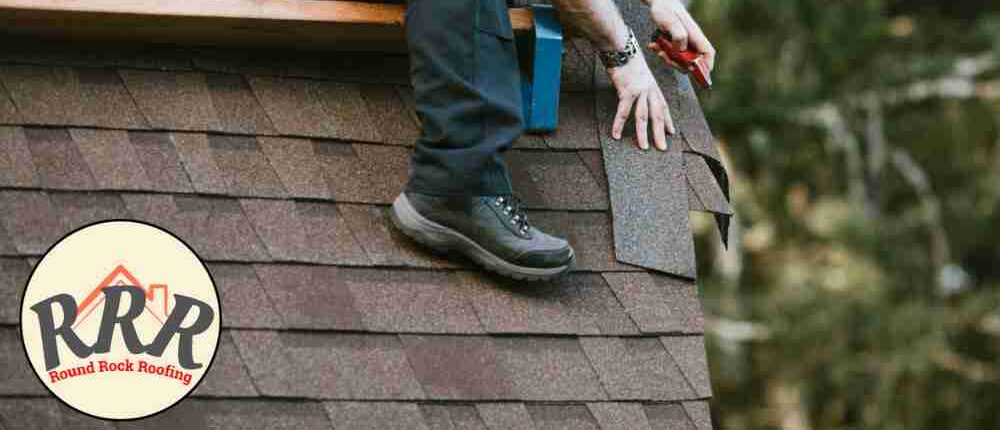
Choosing the right roofing contractor is a critical decision that directly affects the safety, durability, and appearance of your home. A professional contractor ensures your roof is installed or repaired properly, using the right materials and techniques for long-lasting results.
Homeowners often focus on cost or speed, but experience, reliability, and quality workmanship are equally important. With countless contractors available, it can be overwhelming to determine who to trust. Taking the time to research, ask questions, and verify credentials protects your investment and provides peace of mind.
From understanding warranties to evaluating past projects, knowing what to look for ensures you select a contractor who delivers exceptional service and a roof that will withstand the test of time.
What is a Roofing Contractor?
A roofing contractor is a professional who specializes in the installation, repair, and maintenance of roofs. They have the skills, tools, and knowledge to work with different roofing materials such as asphalt shingles, metal, tile, or flat roofing.
Beyond laying shingles, they handle essential elements like underlayment, flashing, ventilation, and waterproofing to prevent leaks and structural damage.
Professional contractors also understand local building codes and safety regulations, ensuring the work is compliant. Hiring a licensed and insured contractor safeguards homeowners from liability in case of accidents or damage during the project.
Essentially, a roofing contractor is more than a laborer; they are an expert guide who ensures your roofing project is completed efficiently, safely, and to high-quality standards.
What Are the Essential Factors to Consider When Choosing a Roofing Contractor?
Choosing the right roofing contractor is crucial for a successful and stress-free roofing project. Factors like licensing, insurance, experience, reputation, certifications, and warranties ensure quality workmanship, protect your property, and give you peace of mind throughout the process.
Licensing and Insurance
Confirm your contractor has a valid license and carries both general liability and workers’ compensation insurance. This ensures protection for your property and coverage for any accidents that might occur during the roofing project, keeping you financially secure.
Experience and Reputation
Choose contractors with several years of experience and a strong reputation. Review past projects, ask for customer references, and check online reviews. Reliable contractors consistently deliver quality workmanship and demonstrate professionalism, giving you confidence in the outcome of your roofing project.
Credentials and Certifications
Verify if the contractor holds manufacturer certifications or industry credentials. These indicate specialized training, adherence to professional standards, and knowledge of best practices. Certified contractors are more likely to perform high-quality work and properly handle specific roofing materials or systems.
Workmanship Warranty
A solid warranty shows the contractor’s confidence in their work. Ensure both labor and materials are covered, and understand the duration and terms. A clear warranty protects you from defects and costly repairs, offering peace of mind after project completion.
What Are the Signs of a Professional Roofing Contractor?
Professional roofing contractors exhibit clear signs of reliability and expertise. Look for a permanent business address, not just a P.O. box, and a well-maintained website with clear contact information.
Experienced contractors provide detailed written estimates that include a line-item breakdown of materials, labor, permits, and timelines. They communicate clearly, answer questions patiently, and respond promptly to inquiries.
Memberships in professional associations and manufacturer certifications indicate adherence to industry standards. References and portfolios of past work allow homeowners to verify quality.
Contractors who emphasize safety, follow regulations, and provide detailed contracts with warranties demonstrate professionalism. Ultimately, a professional contractor combines technical skill, transparency, and customer-focused service to deliver a roof that meets both functional and aesthetic expectations.
What to Look for in Your Roofing Contract
A roofing contract should clearly outline the scope of work, including materials, shingle type and color, installation details, and any additional services.
It should specify project timelines, payment terms, permit responsibilities, and cleanup procedures. Ensure the contract details warranty coverage for labor and materials and clarifies who handles damaged or hidden structural elements.
Professional contracts also note safety practices, subcontractor involvement, and any contingencies for unexpected issues. Reviewing and understanding every detail before signing protects you from hidden fees, miscommunication, or poor workmanship. A thorough, transparent contract reflects a contractor’s professionalism and commitment to quality.
What Should You Look for in a Roof Warranty?
Roof warranties typically include two components: manufacturer coverage for materials and contractor workmanship coverage for installation. Verify the length of each warranty and what issues are included, such as leaks or defective materials.
Understand any maintenance requirements and the process for filing claims. A comprehensive warranty provides protection and peace of mind, ensuring your investment is safeguarded for years to come.
Importance of Professional Roofing Contractor
Hiring a professional roofing contractor ensures quality, safety, and long-term value. Their expertise protects your home, meets building codes, and reduces costly repairs, making your roofing project a smart investment.
Expertise and Knowledge
Professional roofing contractors possess the skills and experience to manage complex installations and repairs. They address every detail, including flashing, shingles, and ventilation, ensuring the roof is installed correctly and functions efficiently for years to come.
Safety and Compliance
Licensed contractors follow strict safety standards and local building codes. This reduces the risk of accidents on-site and ensures your roof complies with regulations, preventing potential legal issues and safeguarding both workers and homeowners.
Long-Term Investment
Hiring a professional protects your home and financial investment. Correct installation prevents premature damage, minimizes future repair costs, and extends the roof’s lifespan, ensuring you receive durable, reliable protection and long-term value from your roofing project.
Cost & Value Considerations
When evaluating roofing contractors, balance cost with quality:
- Compare Multiple Estimates: Obtain at least two or three quotes to gauge fair pricing.
- Consider Material Quality: Cheaper materials can increase long-term repair costs.
- Evaluate Labor Expertise: Experienced contractors reduce mistakes and future repairs.
- Check Warranty Coverage: Longer warranties often indicate higher confidence in work quality.
- Avoid Bottom-Line Focus: Low prices may reflect corner-cutting or subpar workmanship.
Quality work may require higher upfront investment, but it ensures durability, safety, and peace of mind.
Hiring a Professional Roofer vs DIY
Hiring a professional roofing contractor ensures expertise, safety, and warranty protection, while DIY work carries risk and limited long-term value.
| Factor | Professional Roofer | DIY Approach |
|---|---|---|
| Safety | Adheres to regulations and uses proper equipment | High risk of injury and improper safety measures |
| Skill | Years of experience, trained in materials and techniques | Limited experience, potential mistakes |
| Warranty | Includes labor and material coverage | No warranty coverage |
| Tools & Equipment | Uses specialized roofing tools | May lack necessary tools |
| Longevity | Proper installation ensures durability | Potential for leaks or structural issues |
FAQs
How do I verify a contractor’s insurance?
Request copies of both general liability and workers’ compensation insurance certificates. Contact the issuing insurance company to confirm they are active and valid. Ensuring proper coverage protects you from liability in case of accidents or property damage.
How many estimates should I get before hiring?
Obtain at least two to three detailed estimates from different contractors. Compare costs, materials, project scope, and warranty coverage carefully. Multiple estimates help you make an informed decision, ensuring quality work and fair pricing without relying solely on price.
Can I hire a handyman for minor roof repairs?
For small roof repairs, such as replacing a few shingles, a licensed and insured handyman can be suitable. Verify credentials to ensure safety and compliance, especially for minor work, while larger or structural repairs should always involve a professional roofer.
Should I choose the lowest bid?
Never select a contractor based solely on the lowest price. Extremely low bids may indicate substandard materials, incomplete work, or hidden costs. Evaluate estimates considering quality, experience, materials, and warranty to ensure long-term value and reliability.
Final Thoughts
Selecting the right roofing contractor is about more than just cost; it’s about reliability, professionalism, and long-term protection for your home. Take the time to research credentials, verify insurance, evaluate past work, and compare warranties.
Asking detailed questions, reviewing contracts carefully, and prioritizing expertise over price ensures your roof will be durable, safe, and properly installed.
By making an informed decision, you safeguard your home and investment while enjoying peace of mind knowing the project is handled by a skilled professional committed to quality workmanship.